"AI-powered custom software" sounds like a language model is going to build your whole system while you grab a coffee. It isn't, and anyone selling it that way is probably going to hand you something that doesn't work. What actually changed is where a development team's time goes.
For years, most of the cost of building custom software wasn't in the "creative" part — it wasn't architecture design or solving the actual business problem. It was in the repetitive work: writing boilerplate, building form screens, wiring up yet another CRUD, writing tests for cases that had already been written a hundred times on some other project. Tools like Lovable or Google AI Studio don't remove that work. They compress it. And that changes the math on a custom development project in a fairly real way.
Where AI actually helps in a development project
In practice, generative AI earns its keep in three specific places:
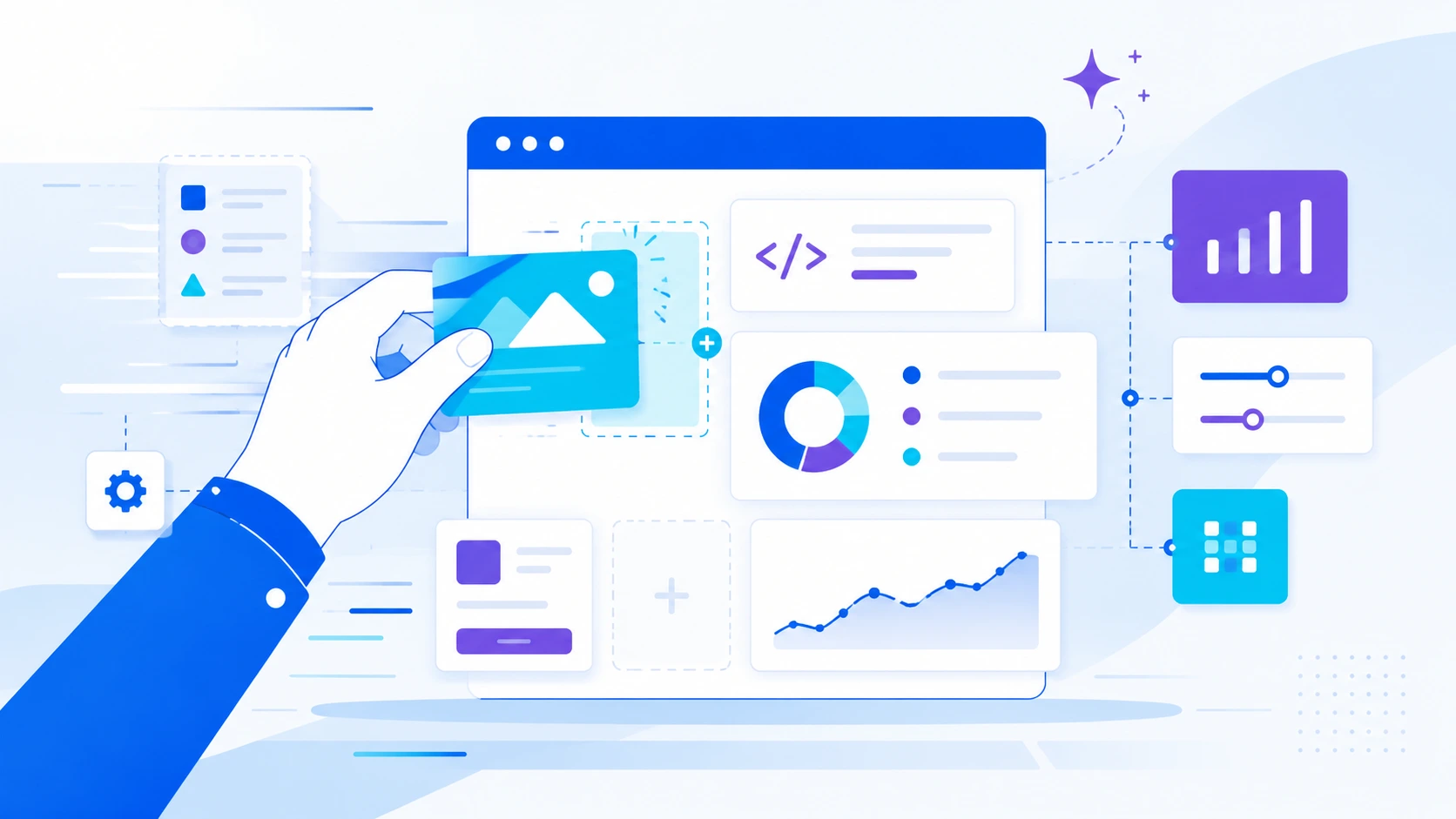
- Fast prototyping. Going from an idea to something clickable that real users can react to, in days instead of weeks — useful for validating whether something's worth building before committing a big budget to it.
- Boilerplate and base structure. CRUD screens, forms, standard integrations with well-known APIs. The kind of code a senior developer already knows how to write but shouldn't have to reinvent every time.
- Faster iteration with the client. When a client sees something working early, scope changes get cheaper because they surface early, not at the final stage of the project.
Where AI still falls short, honestly, is architecture decisions, understanding vague or poorly explained business rules, and anything that depends on context that isn't written down anywhere — which, not coincidentally, is a big part of what makes an experienced dev team worth hiring in the first place.
Speed without control is just deferred technical debt
Here's the real risk of this moment: it's very easy to generate code fast with these tools, and just as easy for that code to become a pain to maintain six months later. A software factory that only measures "how many screens did we ship this week" is optimizing the wrong metric.
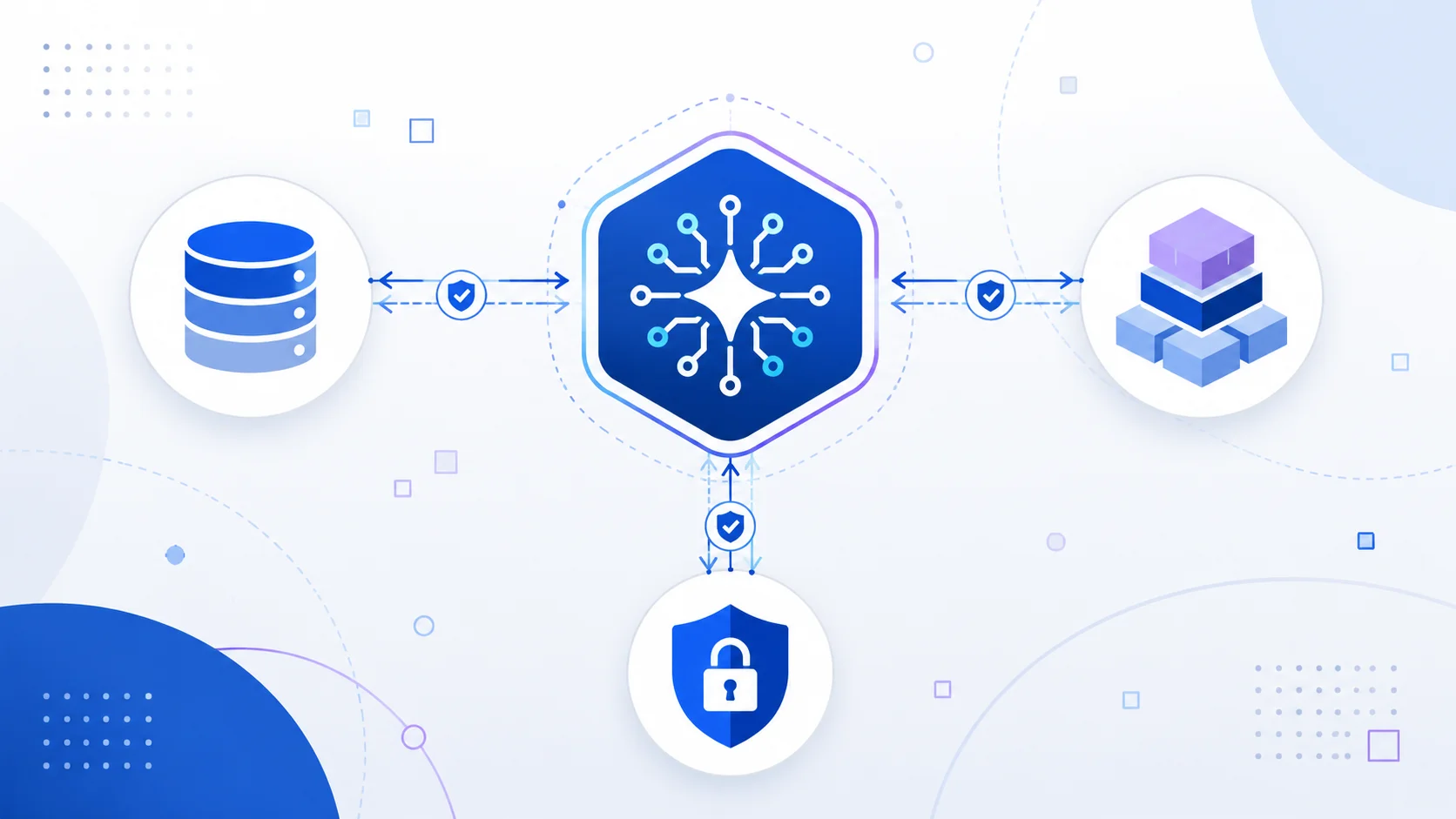
What actually matters is that the generated code follows consistent architecture, has tests, and gets reviewed by someone with judgment before it reaches production. AI speeds up the team — it doesn't replace it. You still need someone who can tell the difference between code that's genuinely fine and code that just looks fine.
What good custom development looks like with these tools
A custom software project that uses these tools well tends to look different from a traditional one in three ways.
First, delivery time for an MVP or working prototype drops noticeably — not because steps get skipped, but because going from idea to something tangible no longer means writing every line from scratch. Second, the cost per iteration drops, which means you can test more variations before committing to a single direction. Third — and this is the part almost nobody mentions — the developer's role shifts from "the person who writes all the code" to "the person who decides which generated code is actually good enough." That takes more judgment, not less.
Who this actually makes sense for
If your company needs a custom web or mobile application and wants to validate the idea quickly before committing to a full traditional build, this is exactly the kind of project where generative AI adds real value — not just marketing speed.
At Disrupsoft, we build custom software using Lovable, Google AI Studio, and similar tools as accelerators, applying the same architecture discipline and quality control we'd use on any traditional development project. If you've got an idea you want turned into a working product, let's talk.