Introduction: The Democratization of Software Development
Imagine for a moment that your HR department needs an application to manage employee vacation requests, but the IT team says it will take six months to develop due to the current workload. Or think about that repetitive manual process consuming hours of your team’s time weekly but requiring specialized programming to automate. These common business scenarios perfectly illustrate why a silent revolution in software development has emerged: low-code and no-code platforms.
Microsoft Power Platform represents Microsoft’s most complete offering for this revolution, allowing anyone with business knowledge, without needing to be a programmer, to create functional applications, automate processes, and analyze data visually and intuitively.
What Really is Low-Code and No-Code?
To fully understand the value of Power Platform, we must first define these terms that are transforming the tech industry.
No-Code platforms allow applications to be created entirely through visual interfaces, using drag-and-drop elements, configuration forms, and step-by-step wizards. It’s like building with digital Lego blocks: each piece has a specific function and connects intuitively with others, without writing a single line of code.
Low-Code, on the other hand, offers the same visual ease but also provides the flexibility to add custom code when more advanced functionality is needed. It’s like having an advanced construction kit where most structures are easily assembled, but you also have specialized tools to create unique components.
This distinction is crucial as it determines who can use these tools and for what type of projects. No-code solutions are designed for business users with little or no technical experience, while low-code platforms can be leveraged by both these “citizen developers” and professional developers seeking to accelerate their work.
Microsoft Power Platform: An Integrated Ecosystem for Digital Transformation
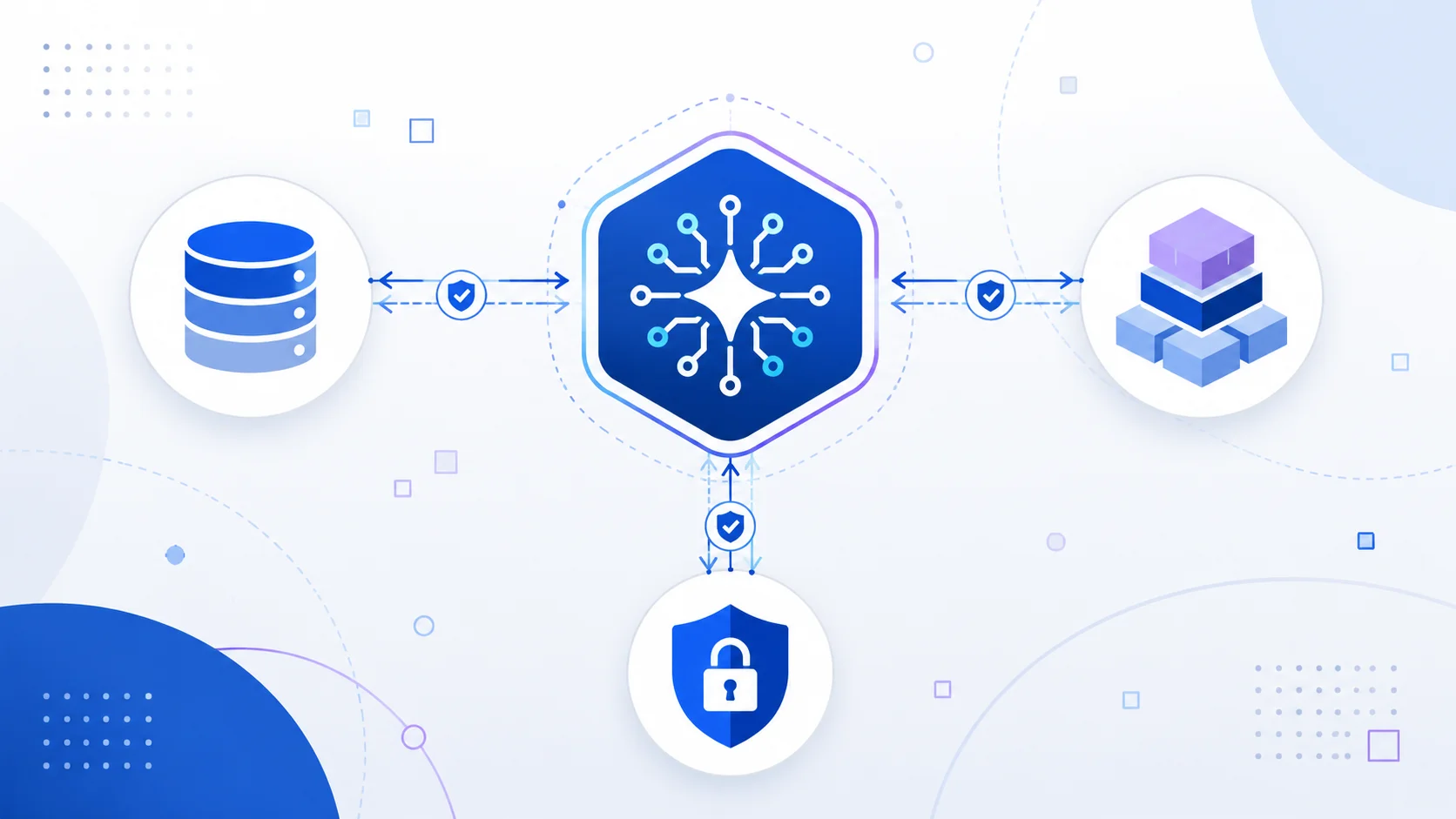
Microsoft Power Platform is not a single tool but a complete ecosystem of four main components that work together to cover different aspects of business digitalization.
Power Apps: Application Building Without Technical Barriers
Power Apps is at the heart of app creation in the ecosystem. It allows users to build full business applications through an intuitive visual interface, more like designing a PowerPoint presentation than coding. Users can drag and drop elements like forms, buttons, image galleries, and text fields onto a virtual canvas and configure them with simple menus and fields.
Its true power lies in connectivity: Power Apps can connect to SharePoint, SQL databases, web services, Excel files, and even legacy systems through specialized connectors—displaying real-time data without complex coding.
Power Automate: Intelligent Automation for Everyone
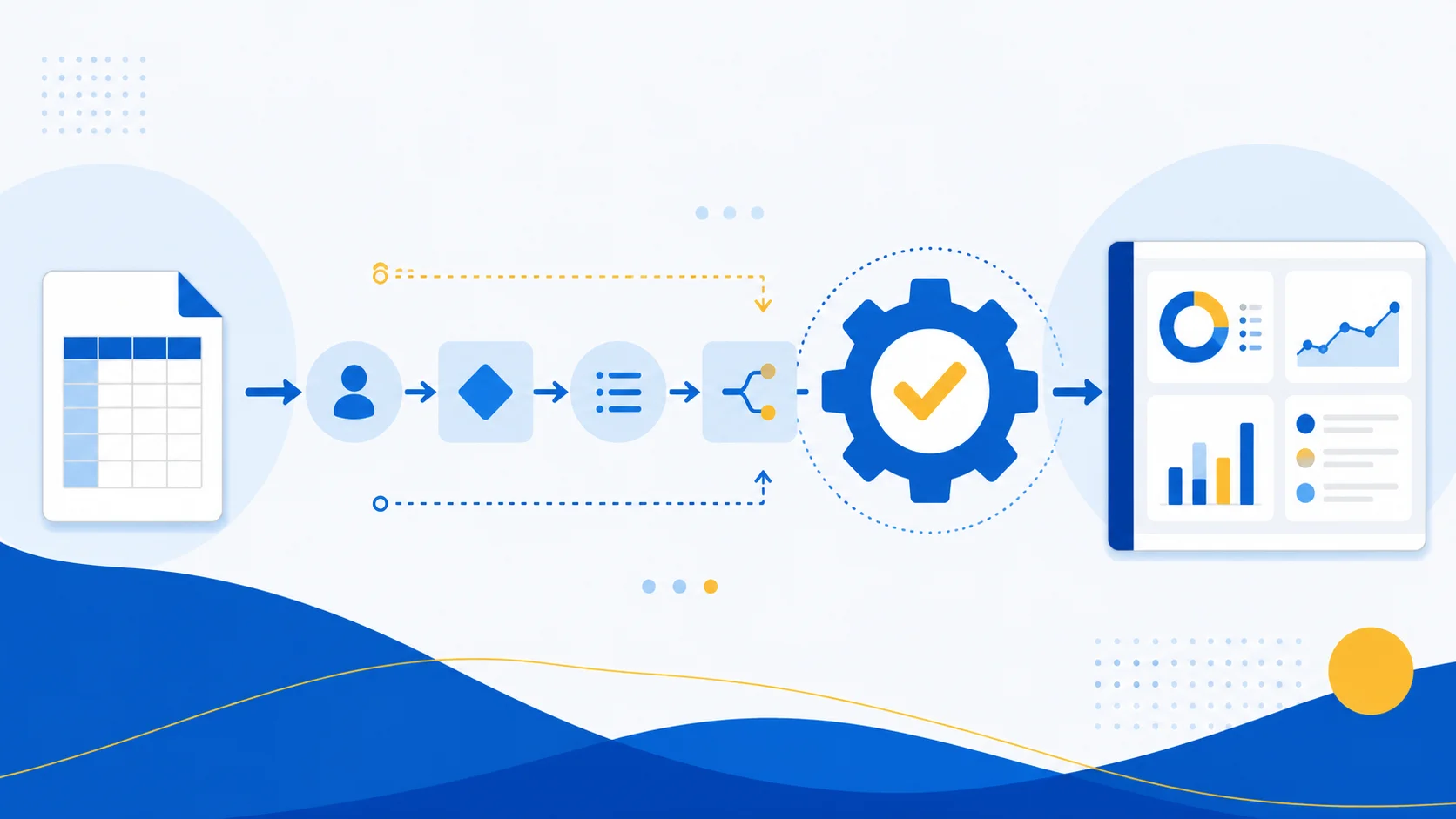
Power Automate eliminates repetitive tasks consuming employees’ valuable time. Users create flows visually, connecting triggers with actions. For example, a flow could start when an email with a specific attachment is received, extract it, save it to SharePoint, and notify the team automatically.
It integrates with hundreds of popular services, from Microsoft apps to Salesforce, Google Workspace, and more.
Power BI: Turning Data Into Actionable Insights
Power BI allows organizations to transform data into actionable insights. Users can import data from nearly any source, clean and transform it visually, and then create interactive dashboards with drag-and-drop actions, democratizing business intelligence.
Power Virtual Agents: Automating Customer Engagement
Power Virtual Agents enable intelligent chatbots without AI or programming expertise, capable of handling common queries, guiding users, and escalating complex cases to human agents.
The "Citizen Developer" Phenomenon
Citizen developers—employees without programming training—use these tools to create solutions for their work areas. They understand business needs intimately, enabling them to design precise, useful solutions. Microsoft empowers them with templates, step-by-step guides, and a vibrant community for collaboration.
Real-World Success Stories
Manufacturing Sector: Purchase Order Automation
A mid-sized manufacturer used Power Apps to standardize purchase orders, integrated with vendor databases, and automated approvals via Power Automate. Processing times dropped from 5–7 days to less than 24 hours, errors fell 85%, and the procurement team focused on strategy.
Healthcare Sector: Staff Scheduling Transformation
A hospital streamlined nurse shift scheduling using Power Apps, Power Automate, and Power BI. Shift coverage improved from 87% to 98%, temporary staffing costs fell 60%, and admins saved 20+ hours weekly.
Education Sector: Admission Process Optimization
A university created a Power Apps admissions portal integrated with Power Automate and Power BI. Application processing dropped from 6–8 weeks to 2–3 weeks, student satisfaction rose, and staff redirected time to higher-value tasks.
Strategic Benefits of Power Platform Adoption
- Dramatic cost reduction: 50–90% savings vs. traditional development
- Accelerated delivery: Apps built in days or weeks, not months or years
- Organizational empowerment: Teams innovate independently of IT, speeding problem-solving and fostering agility
Considerations for Successful Implementation
- Governance: Establish centers of excellence, best practices, and app reviews for compliance
- Training: Structured programs combining formal learning with mentorship and pilot projects
- Integration: Plan carefully to connect with legacy and third-party systems alongside Microsoft ecosystem
The Future of Business Development
Power Platform is more than tools—it symbolizes a transformation in how organizations digitize and automate. Future trends include:
- AI integration: Voice, NLP, predictive analytics without specialized expertise
- Connector expansion: Growing ecosystem for end-to-end solutions
- Democratization of advanced tech: Access to ML, blockchain, and advanced analytics via visual interfaces
Conclusion: Empowering the Next Wave of Business Innovation
Microsoft Power Platform offers organizations a historic opportunity to redefine digital transformation. By empowering citizen developers and democratizing software development, it reduces costs, accelerates delivery, and unleashes innovation from within every business.
The question is not whether to adopt low-code/no-code platforms, but how quickly organizations can seize their innovation potential. In a world where adaptation speed defines competitiveness, Power Platform provides the tools to turn ideas into digital reality at the speed of thought.