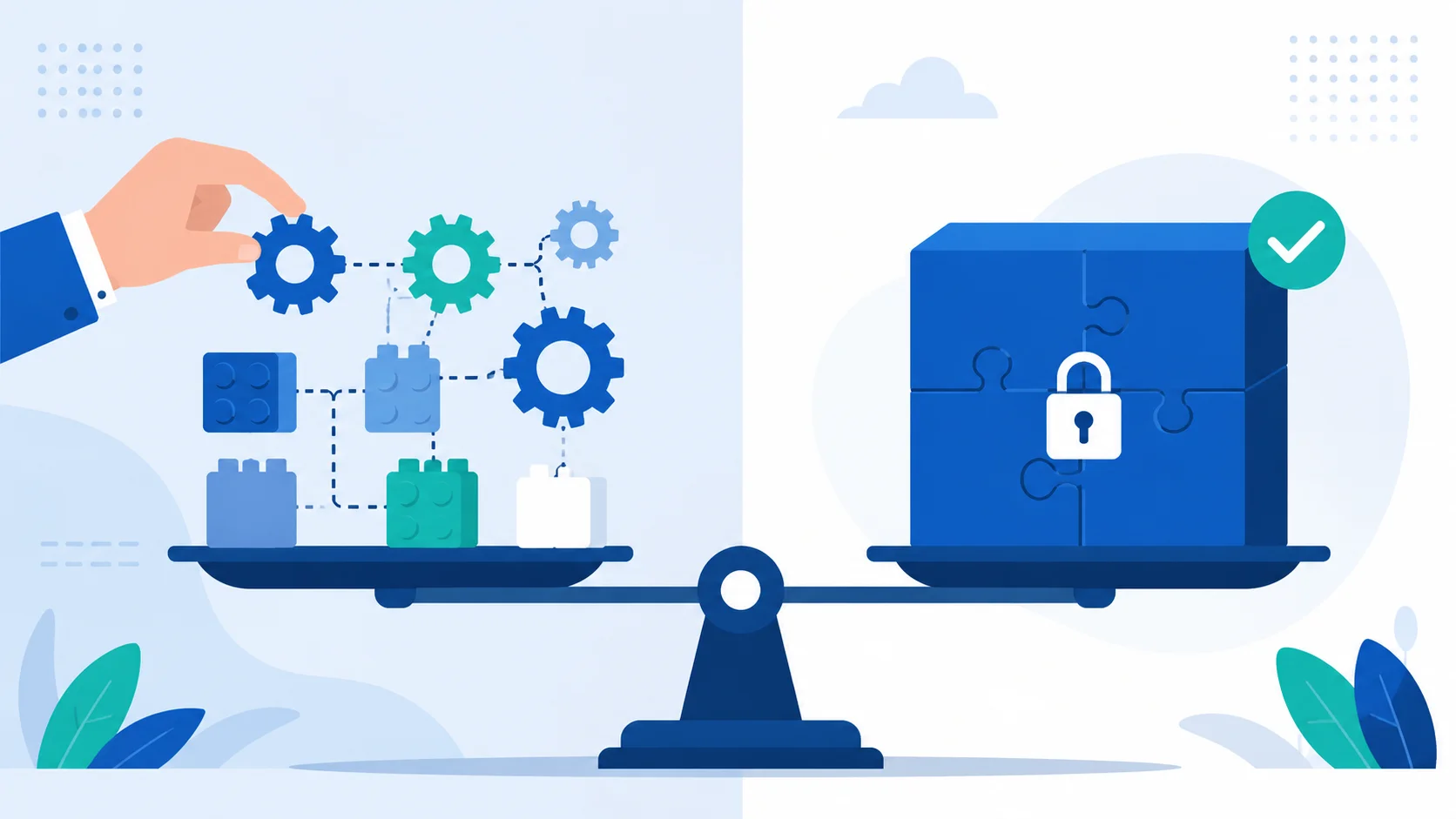
"We need to build something" is a sentence that hides two completely different decisions. One is hiring capacity — people who write whatever code you ask for. The other is handing off a whole problem — letting someone else understand it, design the solution, and own the outcome. Mixing the two up is the single most common way to overspend or end up with software that doesn't fit.
When a company in Chile takes on a digitalization project, it almost always hits this fork in the road without realizing it's choosing between two models built on opposite logic: a Software Factory (development hours, technical capacity under your direction) or Custom Software Development (a provider that owns the project end to end). This isn't a nuance. It's a difference in who's on the hook if something goes wrong.
Software Factory: works well when you already have the map
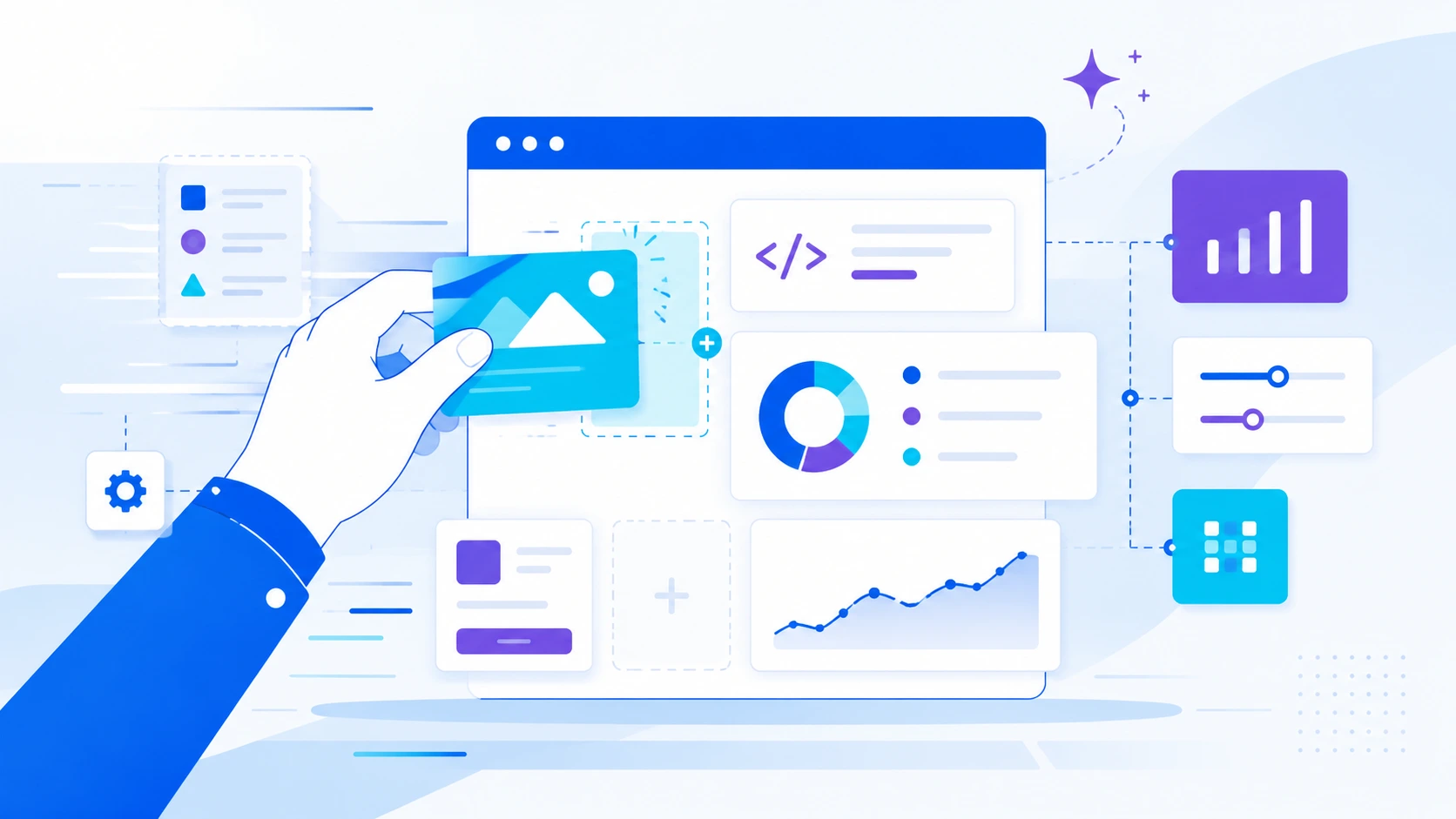
A Software Factory gives you technical capacity — developers, hours, a team you can scale up or down depending on what you need. It works great when your company already has an internal CTO or Product Owner who knows exactly what to build and how the architecture should come together. In that setting, adding external hands is fast and flexible.
The trouble shows up when that internal leadership doesn't exist, or exists only halfway. A Software Factory builds what you ask for, not necessarily what you actually need — and that distinction is on you, not the provider. If requirements aren't well defined from the start, the project can drag on, burning hours with nobody holding the authority — or the contractual responsibility — to stop it in time.
Custom Development: works well when you need someone else to own the problem
Custom Software Development is a different animal: end-to-end consulting, where the provider understands your business process, designs the architecture, takes on security, and builds with an eye toward how it'll integrate with what you already run — SAP, Softland, Defontana, local payment gateways, your CRM.
The real difference isn't technical, it's about who owns the risk. Here the provider doesn't just execute — they answer for the result. And there's one point a lot of Chilean companies still don't prioritize enough: code ownership. A properly contracted custom build leaves you with full control over the source code and repositories, without depending on third-party licenses or on that same provider being the only one who can touch the system afterward.
The comparison that actually matters
| Criteria | Software Factory | Custom Development |
|---|---|---|
| Technical leadership | You provide it (internal CTO / PO) | The provider brings it |
| Scope | Shifts sprint to sprint, as needed | Structured by phases / MVP |
| Integration | Builds modules on request | Integrates natively into your architecture |
| Regulatory compliance | Your responsibility | Designed with security standards from the start |
| Best fit for | Companies with an IT team that needs reinforcement | Companies digitalizing or automating a full process, without in-house technical leadership |
Why this got more urgent this year
There's a concrete reason not to put this decision off: Chile's Law 21.719 on personal data protection reaches full effect on December 1, 2026 — a few months from now. Any new system that handles customer, employee, or supplier data should be designed with privacy by design from day one, not patched in afterward.
That changes the conversation with any provider, whether it's a Software Factory or a custom development shop. Before signing anything, it's worth nailing down three things in the contract: who owns the code and repositories, what SLA exists for post-launch support and corrective maintenance, and what encryption and access-audit controls the system will have built in from the start — not bolted on as a last-minute checklist before December.
How to actually decide
If your company already has internal technical clarity and just needs more hands to execute, a Software Factory is faster and cheaper. If what you have is a complex business process, nobody internally who can lead the architecture, and you need someone to answer for the full outcome — that's where custom development earns the extra investment.
At Disrupsoft we work with both models, and we help figure out which one fits before you start — not after the budget's already gone to the wrong one. If you're not sure which approach makes sense for your project, book a no-commitment technical assessment.